Paid Back, Then Shut Out: Separating an APP Reimbursement from a Closure Decision
Photo: Diliff, CC BY-SA 3.0, via Wikimedia Commons
When the refund arrives with a closure notice
Authorised push payment fraud is traumatic enough without a second letter arriving weeks later. Under the UK’s mandatory reimbursement regime, which has applied to qualifying faster payments since 7 October 2024, a customer who is tricked into sending money to a fraudster can recover the loss from their payment services provider, subject to the excess and the gross negligence exception. The reimbursement is meant to draw a line under the fraud. It is not meant to end the banking relationship.
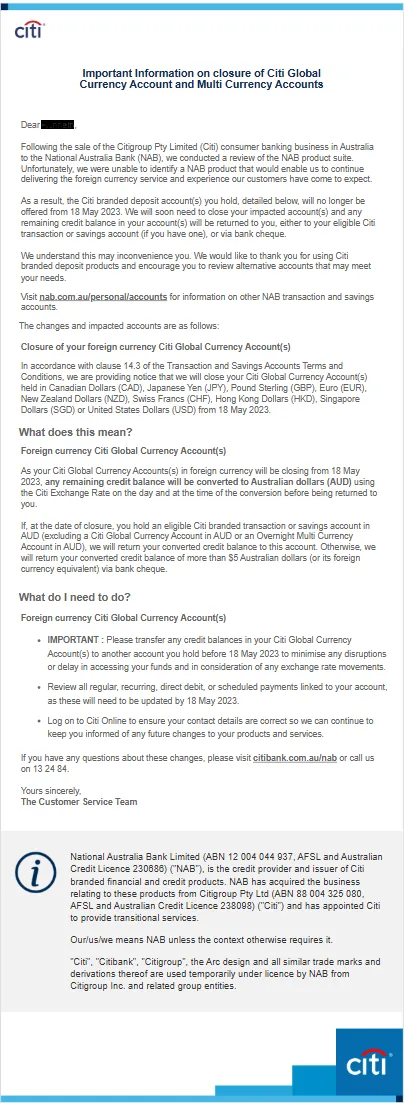
Yet a small but significant number of customers find that a successful claim is followed by a decision to close the account. The two events may be connected in the bank’s internal records, but they are legally and procedurally distinct. The reimbursement resolves a payment dispute. The closure is a separate contractual step governed by the account terms, notice requirements and the bank’s treatment of customers. Keeping those strands apart is the first practical task for anyone in this position.
Why a bank may read a refund as a risk signal
Banks do not routinely explain their risk appetite. A reimbursement can, however, prompt a review for reasons that have little to do with blame. A fraud claim may reveal that a customer was targeted through a channel the bank considers high-risk, such as a social media investment pitch, a romance scam or a spoofed call. It may also show that the customer shared authentication details, ignored an in-app warning, or moved money outside their usual pattern. None of those facts automatically amount to gross negligence, but they can feed a wider assessment of whether the bank wishes to continue the relationship.
There is a second, less comfortable possibility. Some customers report that the closure letter followed a dispute about the reimbursement itself, or a complaint about how the fraud was handled. A bank must not close an account as a punitive response to a legitimate complaint, but proving motive is difficult without the record. The practical response is the same: ask for the rationale in writing and preserve every document that shows the sequence of events.
Requesting the rationale without conflating the decisions
Write to the bank’s complaints team rather than the fraud team. Ask for three things: confirmation of the contractual or policy basis for the closure; the notice period that applies; and any information the bank can disclose about the decision without breaching its legal obligations. Use a subject access request under data protection law to obtain the personal data held about you, including internal notes, call recordings and decision records. A subject access request will not reveal everything, and the bank may withhold material covered by legal privilege or the tipping-off provisions that apply to suspicious activity reports, but it often produces the timeline that a complaint needs.
Keep the fraud claim and the closure complaint in separate paragraphs of your letter. State clearly that you are not asking the bank to reopen the reimbursement decision unless you genuinely wish to challenge it. The objective is to force the bank to articulate why a customer it has already compensated is now being asked to leave.
Preserving evidence of the fraud and the refund
Before any account access is withdrawn, download statements covering the fraud period, the reimbursement credit, the closure notice and all correspondence. Save the bank’s fraud report reference, the reimbursement decision letter and any transcript of calls. If the closure notice arrived by post, keep the envelope. If it arrived by email, preserve the full headers. Photograph the documents and store them outside the bank’s own systems.
This evidence serves two purposes. It supports any complaint about the closure, and it protects you if a credit reference agency later records a dispute or if the bank seeks to recover an overdraft or set off a balance. A reimbursement credit should be identifiable on the statement; make sure the paper trail shows that the money was paid under the fraud claim and not as a general credit.
Answering allegations of negligence
The mandatory reimbursement rules contain a gross negligence exception, and a bank that has paid may still believe the customer’s conduct was careless. If the closure letter hints at that view, respond to it directly. Set out what you were told, what warnings you saw, whether you were under duress or pressure, and whether any vulnerability applied. The standard is gross negligence, not ordinary carelessness, and the Financial Ombudsman Service has consistently looked at the customer’s circumstances rather than applying a rigid checklist.
Do not accept a vague assertion that you failed to protect your details. Ask the bank to identify the specific warning it says you ignored and the point at which it was displayed. If the bank cannot do so, say that in your complaint. Keep the tone factual; the ombudsman will read the correspondence.
Escalation: complaint, deadlock and the Financial Ombudsman
A formal complaint starts the clock. The bank has eight weeks to issue a final response. If it does not, or if it issues a deadlock letter, you can take the matter to the Financial Ombudsman Service. The ombudsman can consider whether the closure was handled fairly, whether the notice period was reasonable and whether any loss flowed from the decision. It cannot generally order a bank to keep an account open, but it can require a fair process and, where appropriate, compensation for distress or inconvenience.
Keep the ombudsman’s focus on the closure and its consequences. Supply the reimbursement letter, the closure notice, your subject access request response and a short chronology. If the bank says the closure is a commercial decision, ask the ombudsman to consider whether the customer was treated fairly in the circumstances.
Keeping money moving while the dispute continues
Do not wait for the complaint to conclude before arranging a fallback. Apply for a basic bank account at another provider, move salary and direct debits as soon as the new account is live, and keep a record of any payments that fail because of the closure. If the closure leaves you without a payment account, ask the bank for a letter confirming the closure and the balance position; this can help with identity checks elsewhere. A basic account may not offer an overdraft, but it keeps essential payments running while the dispute is resolved.
Timing matters. The closure notice may give only a short window before card and online access stop. Treat the first 48 hours as an administrative exercise: download, apply, redirect and confirm. The fraud may have ended the relationship with one bank, but it need not end your access to the payments system.