After the Exit, the Fallback: Securing a Basic Bank Account in 2026
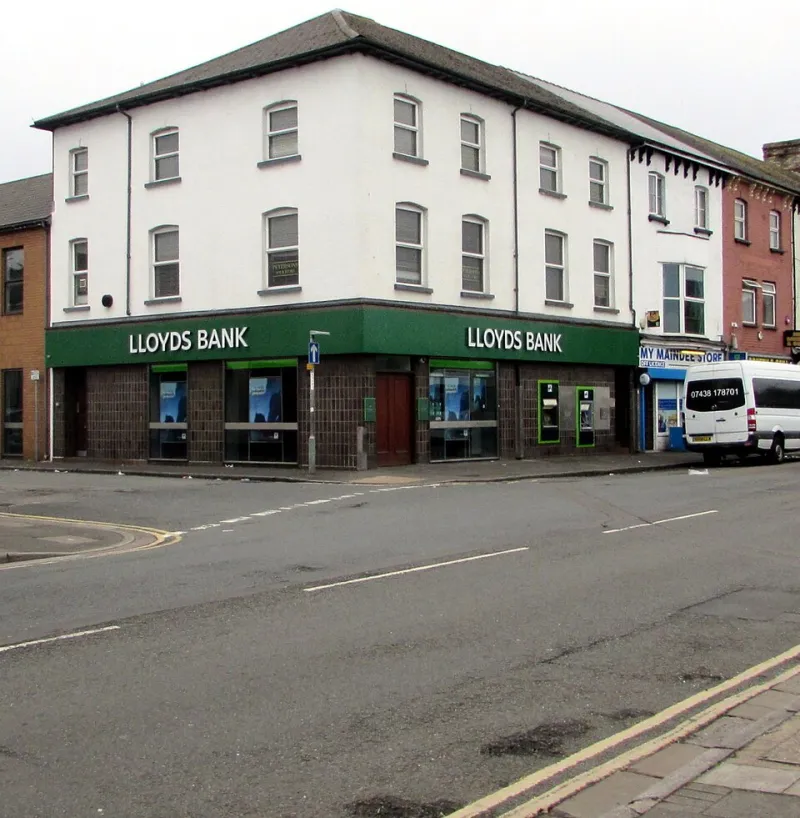
Photo: Jaggery , CC BY-SA 2.0, via Wikimedia Commons
A closed account is not the end of banking
When a current account is closed, the practical problem arrives quickly: salary, benefits, direct debits and card payments all depend on a working account. The basic bank account is the regulated fallback for UK customers who cannot open a standard current account, including some who have recently been exited by another provider.
It is not a lesser product in the sense that matters most. It is a simple, fee-free account designed to receive money and make payments without an overdraft. For someone rebuilding after a closure, it can provide the stability needed to keep income flowing while longer-term questions are resolved.
What a basic bank account is designed to do
A basic bank account allows you to receive wages, pensions and benefits, set up direct debits and standing orders, and use a debit card. Most providers include online and mobile banking, contactless payments and cash withdrawals. The account does not normally include a cheque book or an overdraft, and it will not allow you to spend more than the balance available.
That limitation is central to its purpose. The account is built for everyday transactions rather than borrowing. It can therefore be suitable for a customer whose previous account was closed amid concerns about affordability, credit conduct or a changed financial position.
Rules on charges and features vary by provider. Before applying, ask for the fee schedule and confirm which transactions are free. A basic account should not carry a monthly fee for standard use, but ancillary charges can still apply in limited circumstances.
Who has to offer one
The largest personal current account providers in the UK are required to offer basic bank accounts. The designated providers include Barclays, HSBC, Lloyds, NatWest, Santander and Nationwide, among others. Some smaller banks and building societies also offer them voluntarily.
Availability does not guarantee acceptance. A provider can refuse an application for legitimate reasons, including suspected fraud, false information, or a failure to meet residency and identification requirements. A previous closure is a relevant fact, but it is not automatically a bar. Banks should assess the application on its own terms and apply their published eligibility criteria consistently.
What the account does not solve
A basic bank account will not repair a credit file, remove a fraud marker or answer every question raised by the previous closure. It is a payments facility, not a route to credit. If a Cifas marker or a similar fraud indicator is recorded against you, the new bank may ask about it and may decline while it remains in place.
Nor does a basic account override a lawful decision by another bank. It gives you a place to receive and move money while you challenge that decision through the previous provider's complaints process or the Financial Ombudsman Service.
Applying after a closure
Start with preparation rather than multiple simultaneous applications. Repeated applications in a short period can create a confusing paper trail and may itself be treated as a risk indicator.
Choose two or three providers that offer basic accounts and whose branch or digital access suits you. Check the eligibility criteria on their websites. Then gather:
- proof of identity, such as a passport or driving licence;
- proof of address dated within the provider's required period;
- evidence of income, such as a payslip, benefit letter or pension statement;
- a brief, factual explanation of the previous closure, if asked;
- any closure letter, final statement or complaint reference from the former bank.
Apply directly through the provider's basic account route. Do not describe the application as a standard current account application if the provider distinguishes between the two. A basic account application may be assessed under different criteria.
What evidence a bank may request
The evidence request will depend on the provider and on what it already knows. A bank may ask why the previous account was closed, whether you hold other accounts, and how you expect the account to be used. It may ask for proof of the source of funds or of a regular income.
If the closure was linked to a fraud or identity concern, the bank may ask for an explanation and supporting documents. It is reasonable to provide factual information and to correct errors. It is not reasonable for a bank to demand information it does not need or to apply a blanket refusal simply because another institution has exited you.
Keep copies of everything submitted. If the application is declined, ask for the reason in writing. A short, specific refusal is more useful than a verbal explanation at a counter.
If the bank says no
A refusal should be challenged through the provider's internal complaints procedure. Set out the date of the application, what you supplied, what you were told and why you believe the decision was wrong. Ask the bank to confirm which eligibility criterion was not met and whether it considered the basic account route specifically.
If the complaint is not resolved to your satisfaction, you can take it to the Financial Ombudsman Service. The service is free to consumers and can look at whether the bank followed its own terms and treated you fairly. It may direct a bank to reconsider an application, pay compensation or correct records. It will not force a provider to accept a customer where there is a lawful and proportionate reason to decline.
Keeping the fallback working
Once a basic account is open, use it steadily. Keep direct debits funded, respond to bank requests promptly and avoid transactions that suggest the account is being used for someone else. If a fraud marker or closure dispute is still live, tell the new provider only what it asks for and keep the explanation consistent.
The basic account is a backstop, not a permanent answer to every banking problem. But after an exit, it can be the difference between financial exclusion and a workable route back into the payments system.