The Contract Behind the Closed Account: Overdraft Debt, Default and Dispute in 2026
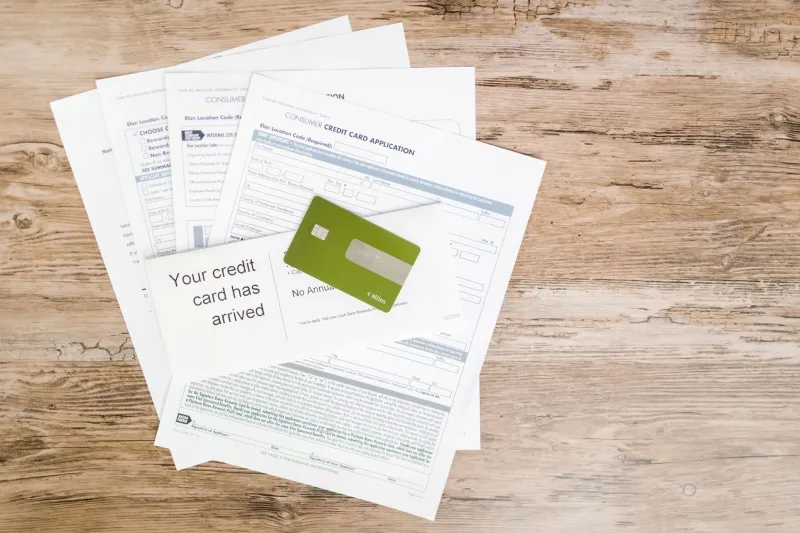
When a bank closes a current account, the letter tends to focus on the account itself: the date it will stop working, the direct debits to move, the cards to destroy. The overdraft can receive far less attention. Yet closure and cancellation are not the same thing. A current account may be shut while the debt attached to it remains live, and the customer may discover that the bank’s collections process begins only after the account has disappeared from online banking.
Closure Is Not Write-Off
An overdraft is borrowed money. Closing the account ends the day-to-day facility; it does not, by itself, extinguish the balance. Unless the bank expressly agrees to waive the debt, or a formal insolvency process deals with it, the customer remains liable under the original credit agreement and the bank’s terms. This is why a final statement can show a debit balance even though the sort code and account number are no longer usable.
Banks sometimes describe a closure as a “commercial decision” or a “risk-based exit”. Neither phrase is a write-off. A closure for risk reasons may even accelerate repayment, because the bank no longer wishes to provide the facility. The practical question is not whether the account exists, but what the bank intends to do about the money owed.
How the Debt Survives the Account
Current account overdrafts are regulated credit. The bank must handle arrears in line with the Financial Conduct Authority’s consumer credit rules and its own complaints and forbearance policies. In practice, a residual overdraft may be handled in several ways: the bank may demand immediate repayment; it may freeze the balance and stop further interest; it may transfer the debt to an internal collections team; or it may sell it to a debt purchaser. The route depends on the bank, the size of the balance and the customer’s circumstances.
If the customer holds savings or another account with the same banking group, the bank may also consider set-off. That allows it to use credit balances to reduce a debt in some circumstances, subject to the terms and to protections for certain funds. Set-off is not automatic in every case, but it is a reason to ask for a written explanation of how any final balance has been calculated.
Interest and charges should also be checked. An overdraft that is closed may continue to accrue interest under the original terms until repayment, or the bank may agree to freeze it. A default notice can follow if the customer breaches the credit agreement and the bank decides to treat the account as in default. A default notice under the Consumer Credit Act 1974 gives the customer a period to remedy the breach before further action. It is a serious document and should not be ignored.
What the Bank Can Do Next
The bank’s first step is usually a final demand or a statement of the outstanding balance. If the customer does not pay or agree a plan, the bank may report a default to credit reference agencies, pass the debt to a collection agency, or begin legal action. It may also apply for a county court judgment in England and Wales, or use equivalent enforcement routes elsewhere in the UK. Those outcomes are not inevitable, but they become more likely when correspondence goes unanswered.
A default can damage a credit file for six years in most cases, even after the debt is paid. That is why the handling of the debt matters as much as the closure itself. A customer who disputes the balance or agrees an affordable arrangement early has a better chance of avoiding a default marker than one who waits for enforcement.
Step One: Reconstruct the Final Balance
Begin with a written request for a final statement, a transaction breakdown and a copy of the overdraft terms. Ask specifically how interest and charges have been applied after closure, and whether the bank has frozen the balance. Check for unauthorised transactions, duplicate charges and any set-off against savings. If the closure followed suspected fraud, ask for the balance to be separated from the closure decision; a risk exit does not remove the bank’s duty to explain the money it says is owed.
Step Two: Put the Dispute in Writing
If the balance looks wrong, dispute it in writing rather than by telephone. Set out the figure you accept, the figure you dispute and the evidence you rely on. Ask the bank to suspend collection activity while it investigates. This is also the moment to raise vulnerability, ill health or financial hardship, because the bank should consider forbearance. Keep copies of every letter, email and portal message. A clear paper trail is essential if the matter later goes to the Financial Ombudsman Service.
Step Three: Negotiate Before Enforcement
If the debt is valid but unaffordable, ask for a repayment plan based on income and expenditure. Banks and debt collectors are expected to consider affordable arrangements. A free debt adviser such as StepChange, Citizens Advice or MoneyHelper can help prepare a budget. Do not promise a payment you cannot sustain. A realistic plan that is kept is usually better than an aggressive offer that collapses after two months.
When the Ombudsman Is Worth It
The Financial Ombudsman Service can consider complaints about how a bank handled an overdraft after closure, including disputed balances, unfair collection behaviour, failure to consider hardship, incorrect default reporting and unreasonable demands for immediate repayment. It is usually worth complaining if the bank has failed to explain the balance, ignored evidence, refused a reasonable arrangement without explanation, or recorded a default while a dispute was unresolved. The Ombudsman does not simply write off debt because a customer is unhappy, but it can order the bank to correct records, refund charges or reconsider a plan.
In most cases the bank has eight weeks to resolve a complaint before the Ombudsman will step in. If the bank sends a final response sooner, the customer generally has six months to escalate. As at November 2026, the Ombudsman’s award limit remains high enough to cover most consumer overdraft disputes, but the real value is often in correcting the credit file and stopping unreasonable enforcement.
The Closing Point
A closed account is an administrative event; a debt is a legal relationship. The customer who understands the difference can ask the right questions, challenge the right figures and negotiate from a clearer position. The account may be gone, but the right to a fair process is not.